1
Movement Assessment
We start by seeing what you can actually do. Not what you think you can do or what you did five years ago. Current capacity determines where training begins.
You can't build strength just by thinking about it. Real acrobatics requires understanding how your body moves through space, how muscles engage during transitions, and why certain movements create momentum while others kill it.
Most people train randomly. They see a move, try to copy it, and wonder why progress stalls. We teach the mechanics behind movement patterns so you actually understand what you're doing.
View Training Structure
Everyone wants to learn flips and handstands, but most skip the foundation work. Then they hit plateaus or pick up injuries because their base isn't solid enough.
We structure training around progressive load. You start where your current ability is — not where you wish it was. Each phase builds on what came before.
Training takes months, not weeks. But when you understand the progression, you can see where you're heading instead of just hoping it works out.
This isn't one of those "12 weeks to mastery" programs. Physical adaptation takes time, and rushing it means either injury or sloppy technique that needs unlearning later.
We start by seeing what you can actually do. Not what you think you can do or what you did five years ago. Current capacity determines where training begins.
Building the physical prerequisites for acrobatic movement. Strength in the right ranges, flexibility where it matters, and body control under load. This phase takes longer than people expect.
Combining strength and flexibility into actual movements. This is where technique gets refined through repetition and correction. You'll film yourself a lot to see what's actually happening versus what it feels like.
Once you understand proper form and safety protocols, you can train more independently. We review technique periodically and adjust programming based on how your body responds to training load.
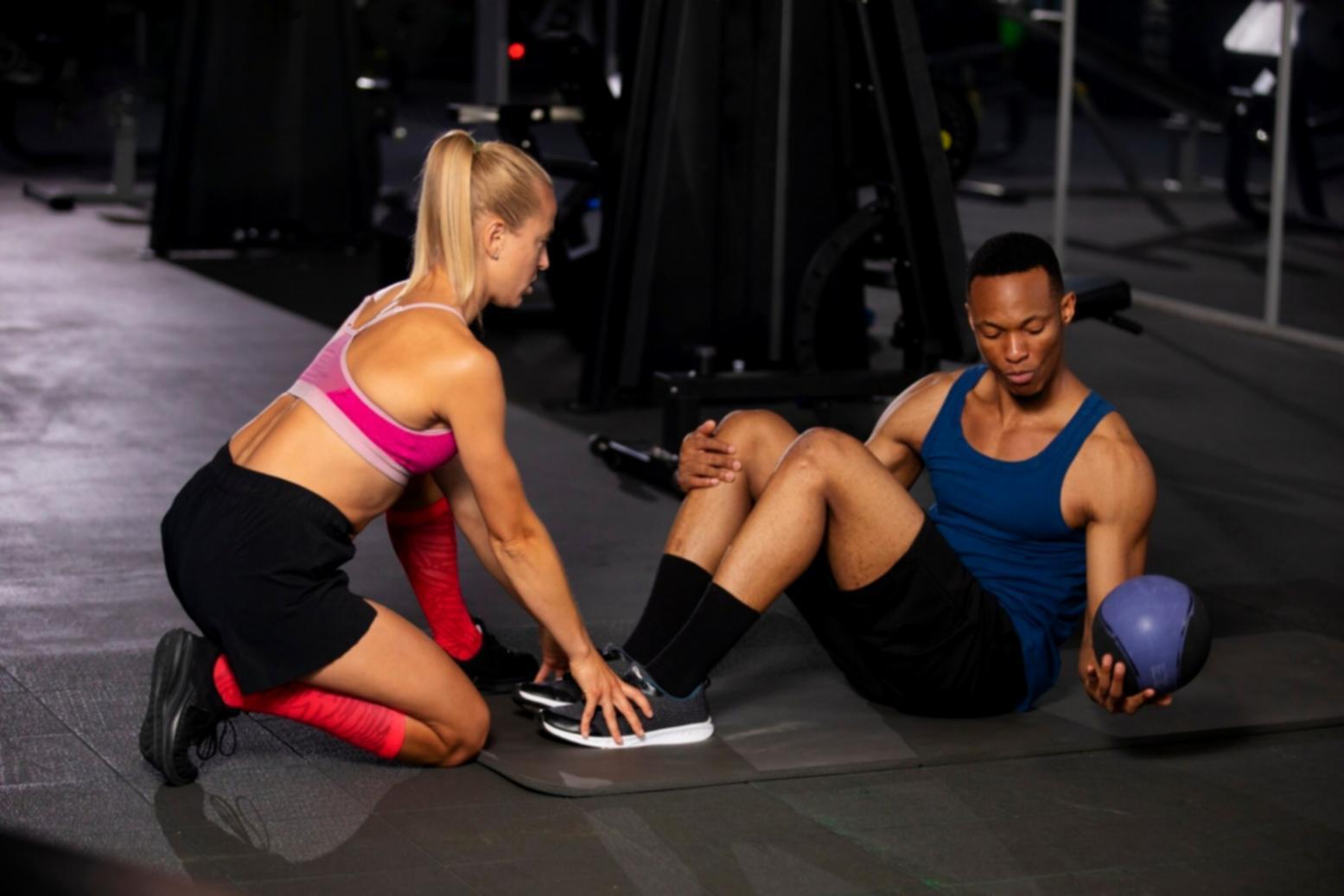
Most gyms throw you into group classes and hope you figure it out. That works for some people, but most need actual instruction on why movements work the way they do.
We break down complex skills into component parts. You learn each piece properly before combining them. It's slower at first, but you end up with cleaner technique and fewer bad habits to fix later.
Training is structured around biomechanics, not trends. What actually works based on how bodies move, not what looks cool on social media.
See Program OptionsYou're going to be sore. Movements that look simple turn out to require strength in places you didn't know existed. That's normal.
Progress isn't linear either. Some weeks you'll nail new skills, other weeks you'll struggle with things you thought you had down. Your body adapts in waves, not steady increments.
We track actual metrics — how long you can hold positions, range of motion improvements, strength benchmarks. Numbers don't lie about whether training is working.
Ask About Training
Most people overestimate what they can do and underestimate how long proper training takes. We'd rather start with an honest evaluation and build from there.
Training spots are limited because we actually work with people individually rather than just running crowded group sessions. If you're interested, get in touch so we can discuss whether this approach fits what you're looking for.